Written by Andrew Matheka.
Mount Kilimanjaro, a majestic peak that soars to a height of 5,895 meters (19,341 feet), stands as a global icon and a symbol of natural splendor and human perseverance. Nestled in Tanzania, near the border with Kenya, this dormant volcano is the highest mountain in Africa and one of the world’s most sought-after climbing destinations. Its snow-capped summit rises above the savannahs, offering breathtaking vistas and inspiring awe among adventurers and nature enthusiasts alike.
A Symbol of Africa’s Grandeur
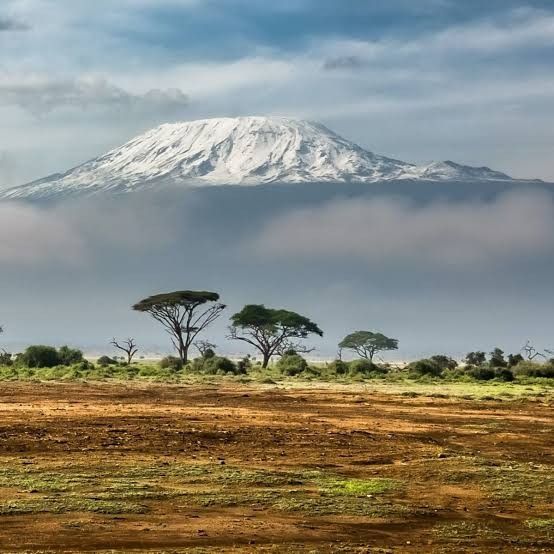
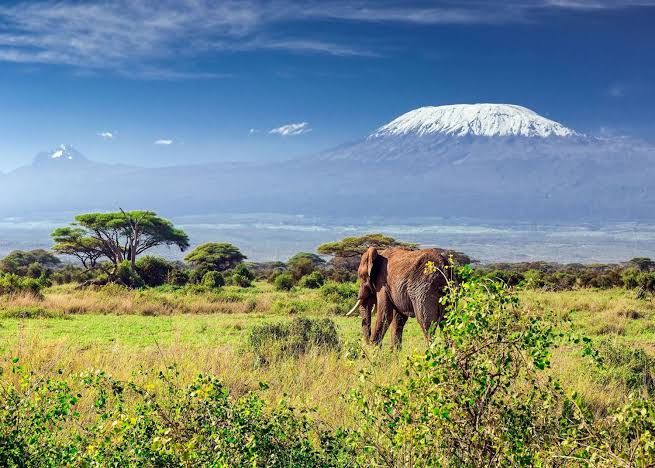
Mt. Kilimanjaro holds a special place in the hearts of both Tanzanians and Kenyans. For many, it represents the pinnacle of Africa’s natural beauty, drawing tourists from across the globe. While the mountain itself is situated entirely within Tanzania, its proximity to the Kenyan border means it is a shared cultural and environmental treasure. On clear days, the peak is visible from Amboseli National Park in Kenya, creating a stunning backdrop for wildlife photography and an unforgettable experience for visitors.
Tourist Attractions and Biodiversity**
The allure of Kilimanjaro extends far beyond its height. The mountain’s slopes encompass a remarkable range of ecosystems, from lush rainforests at its base to alpine deserts near its summit. These diverse habitats are home to a variety of wildlife, including elephants, leopards, and rare species of birds and plants. For tourists, Kilimanjaro offers an unparalleled opportunity to witness these ecosystems firsthand.
One of the most popular tourist attractions near Kilimanjaro is the Kilimanjaro National Park, a UNESCO World Heritage site. The park protects the mountain and its unique environment, ensuring that future generations can also experience its wonders. Additionally, the Chala Crater Lake on the mountain’s southeastern side is a hidden gem, known for its deep blue waters and serene surroundings.
The Climbing Experience
Climbing Mt. Kilimanjaro is a dream for many adventurers. Unlike other high peaks around the world, it does not require technical climbing skills, making it accessible to hikers with good physical fitness. There are several routes to the summit, each offering a different experience and level of challenge. The Marangu Route, known as the “Coca-Cola Route,” is popular for its hut accommodations, while the Machame Route, or “Whiskey Route,” is favored for its scenic beauty.
The journey to the top is as rewarding as the summit itself. Climbers traverse through diverse climatic zones, from tropical forests teeming with wildlife to barren landscapes reminiscent of the moon. The final ascent to Uhuru Peak, the highest point, typically begins at midnight to allow climbers to reach the summit by dawn, witnessing a spectacular sunrise over the African plains. This moment of triumph, standing above the clouds, is often described as a life-changing experience, a testament to human endurance and the beauty of nature.
Cultural Significance and Conservation
For the local Chagga people, Kilimanjaro is more than just a mountain; it is a sacred place imbued with cultural and spiritual significance. The mountain’s name itself is derived from the Swahili words “Kilima” (mountain) and “Njaro” (whiteness), reflecting its iconic snow-capped peaks. Local guides and porters play a crucial role in the climbing expeditions, sharing their knowledge and ensuring the safety and success of the climbers.
Conservation efforts are paramount to preserve Kilimanjaro’s unique environment. Climate change poses a significant threat to its glaciers, which have been receding rapidly over the past century. Organizations and governments are working together to promote sustainable tourism and protect this natural wonder.
Mount Kilimanjaro stands as a beacon of natural beauty and human aspiration. Its fame extends far beyond Africa, capturing the imagination of people around the world. Whether seen from the plains of Kenya, explored through Tanzania’s national parks, or conquered by determined climbers, Kilimanjaro continues to inspire awe and wonder. It is a testament to the majesty of our planet and a reminder of the enduring spirit of adventure.
 Andy's volunteers and travel agency
Leave a comment