Written by Andrew Matheka

Nestled along the Kenyan coastline, Simba Hill stands as one of the largest and most vibrant coastal forests in East Africa, second only to the renowned Arabuko-Sokoke Forest. This pristine natural reserve is a treasure trove of biodiversity, offering travelers an unparalleled glimpse into the rich flora and fauna that thrive in this unique ecosystem. Whether you’re a seasoned adventurer, a birdwatching enthusiast, or a nature lover, Simba Hill promises an unforgettable experience.
A Biodiversity Hotspot
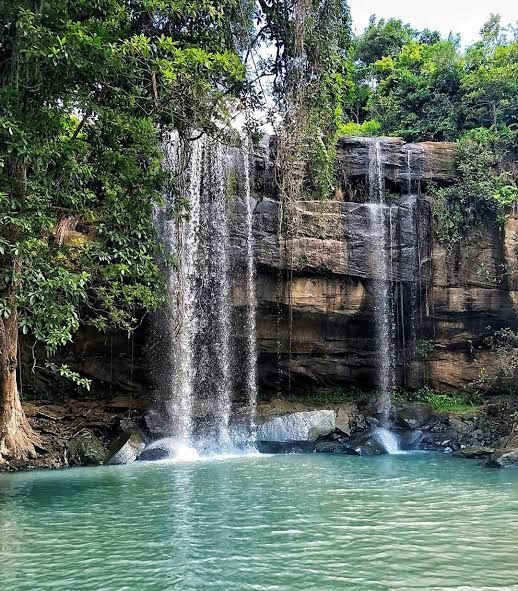
Simba Hill boasts the highest density of plant and animal species in the region, making it a critical conservation area. The forest’s dense canopy shelters an extraordinary array of wildlife, some of which are endemic to the region. Towering hardwoods and a variety of tropical plants provide a lush backdrop for the myriad of creatures that call Simba Hill home.
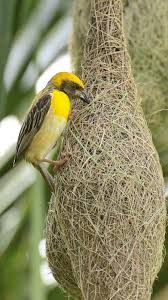
Among the forest’s most notable residents are the rare and elusive Clarke’s weaver, a bird species found nowhere else on earth. Birdwatchers will be delighted by the sight of this vibrant yellow and black bird, along with over 230 other bird species that inhabit the area. The reserve’s diverse avian population makes it a haven for ornithologists and casual birdwatchers alike.
Wildlife Encounters
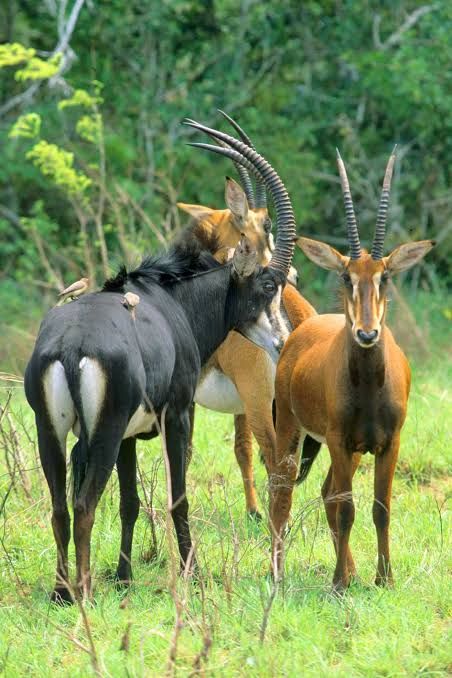
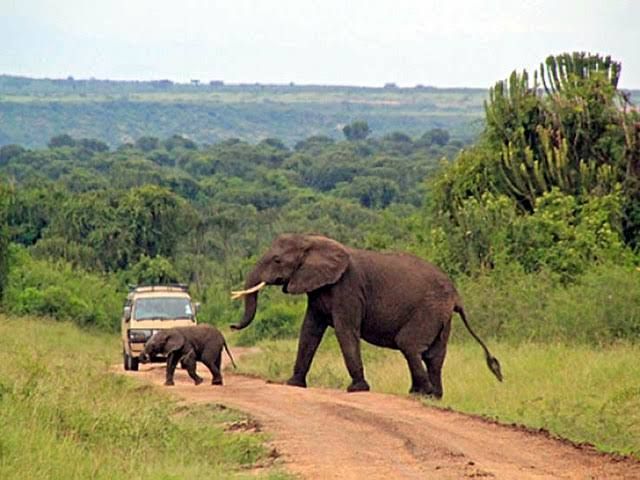
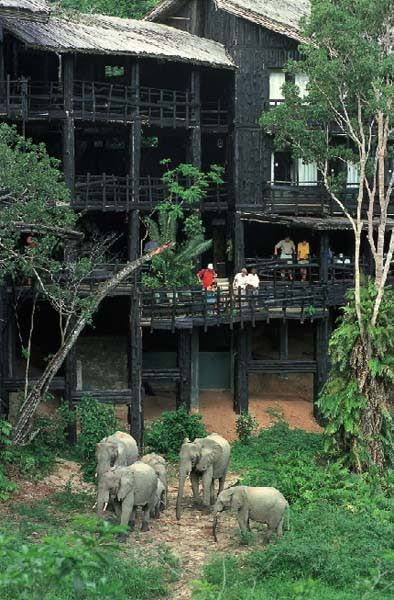
Beyond its impressive avifauna, Simba Hill is teeming with wildlife. The forest floor is alive with the rustle of small mammals, reptiles, and insects, while the treetops are frequented by troops of Sykes’ monkeys and the occasional glimpse of the shy, nocturnal bushbaby. Larger mammals such as the African elephant, buffalo, and the endangered Aders’ duiker also roam the forest, though sightings require a keen eye and a bit of luck.
Flora Richness
The plant life within Simba Hill is just as remarkable as its fauna. The forest hosts an impressive variety of plant species, from towering baobabs to delicate orchids. Many of these plants have medicinal properties and are used by local communities in traditional healing practices. Guided tours offer visitors the chance to learn about these plants and their uses, adding an educational dimension to the adventure.
Adventure Awaits.
For those seeking a thrill, Simba Hill offers numerous hiking and trekking trails that wind through its verdant landscape. These trails vary in difficulty, catering to both casual walkers and experienced hikers. As you traverse the forest, you’ll be treated to breathtaking views, serene streams, and the occasional sighting of wildlife.
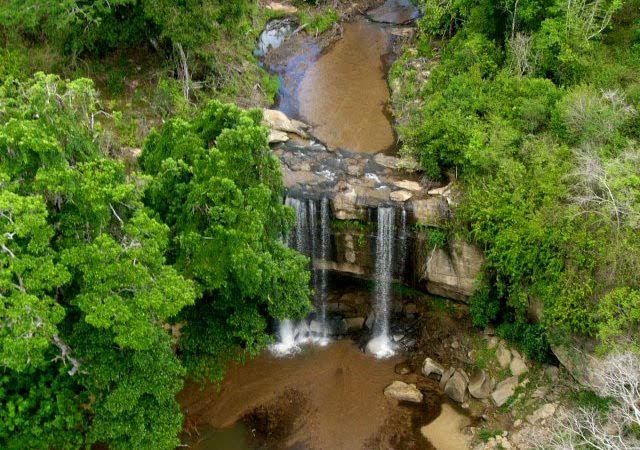
The best time to visit Simba Hill is during the dry season, from June to October, when the trails are more accessible, and wildlife sightings are more frequent. However, the forest’s beauty is perennial, and each season brings its own unique charm.
Conservation Efforts
Simba Hill is not just a paradise for nature lovers but also a focal point for conservation efforts. Local and international organizations work tirelessly to preserve this vital ecosystem, implementing programs to protect endangered species and restore degraded areas of the forest. Visitors can support these efforts by choosing eco-friendly tour operators and participating in conservation activities during their stay.
Simba Hill is a must-visit destination for anyone traveling to East Africa. Its rich biodiversity, stunning landscapes, and thrilling wildlife encounters make it a standout location on the Kenyan coast. Whether you’re drawn by the promise of spotting rare birds, encountering majestic mammals, or simply immersing yourself in the tranquility of the forest, Simba Hill delivers an adventure that will leave you with lasting memories.

 Andy's volunteers and travel agency
Leave a reply to Matheka Andrew Cancel reply